
Africa Turns to Indigenous Seeds to Strengthen Food Security and Climate Resilience
Posted by JIM MWANDA
Africa's indigenous seeds take centre stage as farmers and agricultural stakeholders call for gender-inclusive policies, food sovereignty and climate-resilient food systems at the East Africa Indigenous Seed Conference.
In Summary
- Africa's indigenous seeds and traditional food systems are gaining renewed attention as countries seek climate-resilient agriculture, food sovereignty and protection of agricultural biodiversity.
- Farmers are calling for greater recognition of traditional seed preservation, community knowledge and gender-inclusive policies to protect indigenous food systems for future generations.
Also Read: Kenya ties with India in efforts to boost its food security
Also Read: Rising Pests Threats Boosts Demand for Professional Spray Service Providers
Africa's food security depends not only on how much food it produces but also on the seeds, agricultural knowledge and traditional food systems that sustain communities. For generations, African farmers have relied on indigenous seeds and locally adapted crops to preserve food diversity, withstand changing weather patterns and maintain household food supplies. However, these traditional systems face increasing pressure from changing agricultural practices, limited institutional support and declining recognition of indigenous farming knowledge.
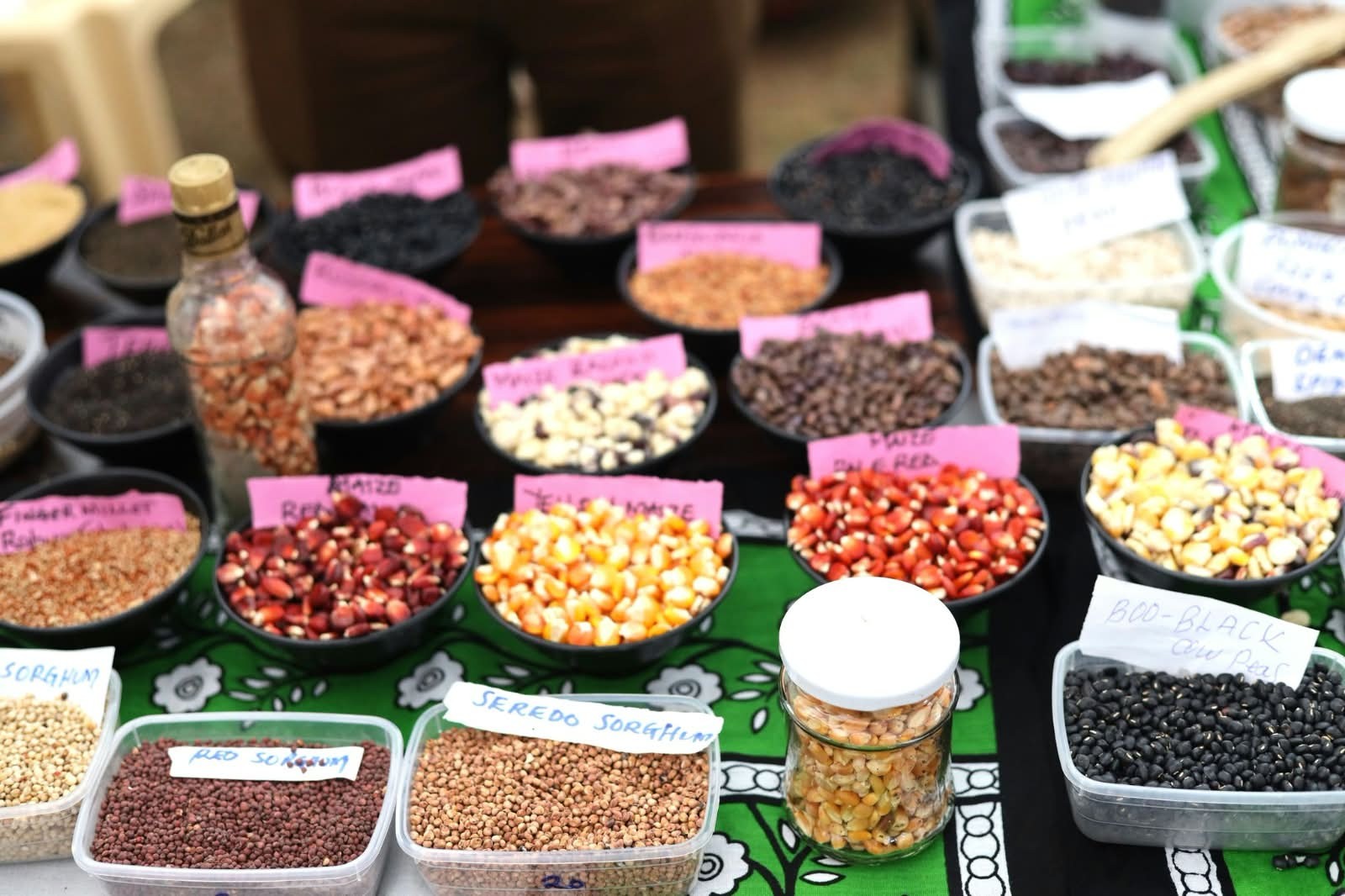
From traditional maize, sorghum, millet and indigenous beans to locally adapted vegetables and other food crops, communities across the continent have maintained agricultural practices built around saving, sharing and replanting seeds from one farming season to another. These practices have been passed down through generations, with families selecting seeds from previous harvests, drying and storing them using traditional methods and preserving varieties suited to their local environments.
The importance of these systems took centre stage today as the first East Africa Indigenous Seed Conference opened in Nairobi, bringing attention to the need to strengthen indigenous seed systems and protect their contribution to sustainable food production.
The opening discussions placed emphasis on the relationship between agricultural biodiversity, food sovereignty, climate resilience and the right to food, particularly for communities whose livelihoods depend on smallholder farming.
The conference's focus comes at a time when African agricultural systems are increasingly challenged by climate variability, prolonged droughts, changing rainfall patterns and the need to ensure that farmers retain access to diverse and locally adapted planting materials.
Beyond their contribution to food production, indigenous seeds represent generations of knowledge held by farming communities, particularly women, who have historically played an important role in selecting, preserving and transferring seeds between generations.
The discussions also brought into focus the need to recognise farmers as custodians of agricultural biodiversity rather than merely recipients of agricultural interventions. Protecting indigenous seed systems requires policies and investments that recognise community knowledge, support local seed preservation and ensure that farmers can continue accessing and cultivating traditional varieties.

The conversation extended into the afternoon through a side event examining the relationship between women, seeds and the right to food, with particular attention to financing, gender-transformative policies and community experiences in preserving indigenous seed varieties.
A key contribution came from Judy Nyokabi, a Happy Family Champion, who shared her experience as a farmer growing avocados, beans and traditional maize varieties while mobilising communities to preserve indigenous agricultural resources.
Drawing from nearly 54 years of farming experience, Nyokabi explained how traditional seed knowledge had been passed down through generations, including lessons she received from her mother and older women in her family.
She highlighted the importance of traditional maize varieties, explaining that some of the seeds remain productive even under difficult weather conditions, including drought. She also referred to traditional preservation methods, including the use of ash, as part of the knowledge communities have maintained over the years.
According to her, some of these indigenous varieties are increasingly overlooked, with farmers gradually shifting away from traditional seeds despite their historical importance in sustaining household food production.
She explained that the knowledge acquired through community training had encouraged her to extend seed preservation efforts beyond her own farm by bringing together farmers, sharing traditional practices and encouraging younger generations to appreciate indigenous agricultural resources.
Nyokabi also emphasised the importance of community participation and collective responsibility in restoring traditional farming practices. She noted that bringing different groups together, including women and other community members, was helping to rebuild interest in indigenous seeds and preserve agricultural knowledge that might otherwise be lost.
Her presentation underscored the role of women as custodians of indigenous food systems and the importance of documenting knowledge held by older generations before it disappears.
The broader discussion was reinforced during a panel examining gender-transformative policies, financing, seed systems, seed sovereignty and the right to food.
The discussion brought together perspectives on agricultural policy, research, community participation and youth inclusion, highlighting the need to address the institutional and financial barriers that limit the growth of inclusive seed systems.
Participants also considered the importance of ensuring that women farmers have meaningful opportunities to influence agricultural decisions, access resources and participate in seed-related initiatives. The conversation pointed to the need for stronger collaboration between communities, policymakers and agricultural stakeholders to translate commitments into practical support for farmers.
The discussions highlighted an important consideration for Africa's food future: protecting indigenous seeds requires more than encouraging farmers to preserve traditional varieties. It also calls for supportive policies, sustainable financing, recognition of community knowledge and deliberate efforts to ensure that younger generations inherit these agricultural resources.
As the conference progresses, the discussions are expected to continue examining how indigenous seed systems can contribute to gender equality, agricultural resilience, food sovereignty and the realisation of the right to food.
The first day therefore brought together the broader continental conversation on protecting indigenous agricultural heritage and the practical experiences of farmers already working to preserve it at community level. The East Africa Indigenous Seed Conference is continuing throughout the week.